
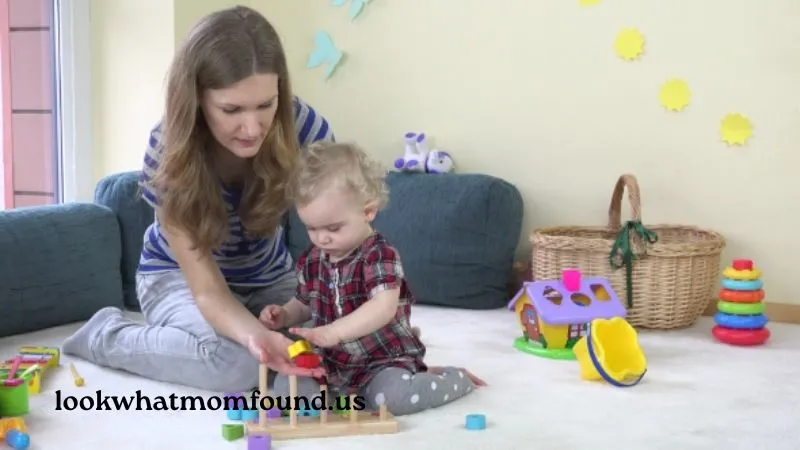
Playful activities are not just a way to keep kids busy. They help children learn, explore creativity, and build important life skills. LWMFCrafts focuses on simple, hands-on activities that mix fun with learning using easy materials. In this guide, you will learn how to create playful activities with LWMFCrafts that are engaging, affordable, and meaningful for children of all ages.
Why Playful Activities Matter for Children
Play is a child’s natural way of learning. When kids are involved in playful activities, they develop imagination, problem-solving skills, and emotional confidence. Craft-based play also improves focus and fine motor skills.
LWMFCrafts activities are designed to:
- Encourage creativity instead of screen time
- Support learning through hands-on experiences
- Strengthen parent-child bonding
- Use safe, low-cost household materials
These benefits make playful crafting valuable for both home and classroom use.
What Makes LWMFCrafts Different
LWMFCrafts stands out because it focuses on purposeful play. Each activity is designed with a learning goal, whether it is color recognition, coordination, storytelling, or creative thinking.
Instead of complicated instructions, LWMFCrafts uses:
- Simple steps
- Clear outcomes
- Age-appropriate challenges
- Flexible ideas that can be customized
This approach helps parents and caregivers feel confident while guiding children.
Choosing the Right Materials for Playful Crafts
You do not need expensive supplies to create playful activities. LWMFCrafts encourages using everyday items that are easy to find at home.
Common materials include paper rolls, cardboard boxes, colored paper, glue, crayons, fabric scraps, buttons, and recycled containers. Using recycled items also teaches children about reuse and environmental care.
Always choose non-toxic and child-safe materials, especially for younger kids.
How to Create Playful Activities Step by Step
Start by deciding the purpose of the activity. Ask yourself what you want the child to learn or practice. It could be creativity, counting, storytelling, or sensory exploration. Next, keep instructions short and clear. Children enjoy activities more when they can understand and follow the steps easily. Allow flexibility so kids can add their own ideas instead of copying an exact design. Finally, let children lead. Playful activities work best when kids feel free to explore, make mistakes, and try again without pressure.
Long-Term Benefits of Playful Activities with LWMFCrafts
Playful activities created through LWMFCrafts offer benefits that go beyond short-term fun. When children regularly take part in hands-on crafts, they develop skills that support long-term growth. These activities help improve patience, decision-making, and independence as children learn to plan, create, and complete projects on their own.
Over time, playful crafting also builds resilience, as kids become more comfortable trying new ideas and learning from mistakes. LWMFCrafts encourages curiosity and confidence, which are important for academic success and social development. By making playful activities a regular part of daily life, parents help children develop a positive attitude toward learning that stays with them as they grow.
Popular Playful Activity Ideas from LWMFCrafts
One popular idea is storytelling crafts, where children create characters from paper or clay and then make up their own stories. This improves language skills and imagination.
Another favorite is sensory play crafts, such as textured art using rice, sand, or fabric. These activities help younger children explore different senses safely.
Creative building projects, like making houses or vehicles from cardboard, help develop problem-solving skills and patience.
Making Activities Age-Appropriate
Not all crafts suit every age group. LWMFCrafts emphasizes adjusting activities based on a child’s ability level.
For toddlers, focus on simple actions like sticking, coloring, and touching textures. For preschoolers, add counting, matching, and basic shapes. Older children can handle more detailed crafts that involve planning and design.
This age-based approach keeps activities enjoyable instead of frustrating.
How Playful Crafts Support Learning at Home
Playful activities can easily support home learning. Crafts can be linked to school subjects such as math, language, and science without feeling like homework.
For example, counting beads during a craft improves math skills, while describing colors and shapes improves vocabulary. LWMFCrafts activities naturally blend fun with education.
Parents can also observe children’s interests and strengths through play, which helps support their development.
Tips to Keep Kids Engaged Longer
To keep children interested, change activities regularly and introduce new themes. Seasonal crafts, animal themes, or favorite story characters can make activities more exciting.
Praise effort instead of perfection. When children feel encouraged, they stay engaged longer and enjoy the process more. Displaying finished crafts also builds confidence.
Limiting screen distractions during craft time helps children focus better.
Why LWMFCrafts Is Ideal for Family Bonding
Playful activities bring families together. Crafting side by side allows parents to spend quality time with their children while learning more about their thoughts and creativity.
LWMFCrafts promotes shared experiences rather than solo play. These moments strengthen emotional connections and create lasting memories.
Final Thoughts
Learning how to make playful activities with LWMFCrafts helps parents and caregivers create meaningful experiences for children. These activities go beyond simple fun by supporting creativity, learning, and emotional growth.
By using simple materials, clear goals, and child-led creativity, LWMFCrafts makes playful learning easy and enjoyable. With regular practice, these activities can become a positive part of daily family life.